
Properties Ready for Every Season
Seasonal Yard Cleanups in Annapolis for landscapes showing debris accumulation, leaf buildup, or winter damage
Leaf layers that sit through winter mat down and block sunlight from reaching turf crowns, creating dead patches that need reseeding once spring temperatures arrive and the damage becomes visible. Spring yard cleanups remove winter debris, fallen branches, and compacted leaf layers before new growth starts, while fall cleanups prevent that same leaf accumulation from smothering grass and trapping moisture against plant crowns through cold months. AXC Landscaping Services handles seasonal cleanups in Annapolis with debris hauling and disposal included, clearing properties of organic material that would otherwise decompose into slimy mats or harbor fungal spores that spread to healthy plants once humid conditions return.
Cleanup work includes raking and removing leaves from turf and landscape beds, cutting back perennial stems that died over winter, clearing storm debris like broken branches and scattered twigs, and blowing out leaf accumulation from behind shrubs and along fence lines where it builds up out of sight. Shrub and plant bed cleanup removes dead annual material and thins excessive mulch that has compacted into a water-resistant layer. Seasonal lawn preparation might include dethatching to pull up dead grass stems or overseeding thin areas exposed once debris clears. Winter cleanups address properties after storms pass, removing fallen limbs and scattered debris before it gets buried under snow or degrades into material that's harder to collect.
Schedule a spring cleanup to prepare your landscape for growing season before new growth emerges and makes debris removal more difficult.
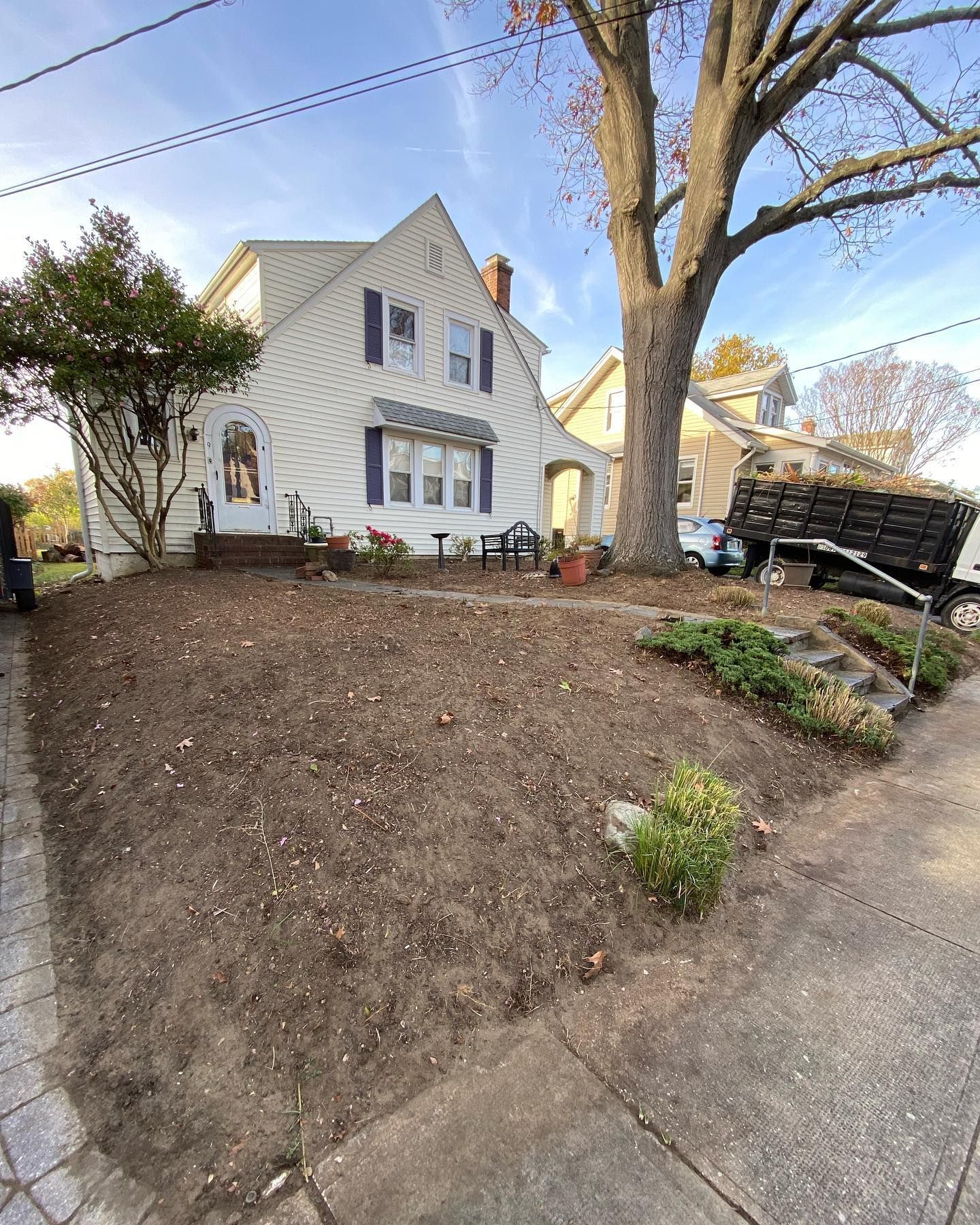
What Seasonal Cleanups Prevent
Debris removal eliminates organic material that blocks air circulation around plant crowns and creates dark, moist conditions where fungal diseases establish and spread laterally through landscape beds. Leaf buildup on turf prevents sunlight from reaching grass blades during early spring when cool-season grasses begin photosynthesis and need energy to produce new shoots. Dead stems left standing through winter can harbor insect eggs and disease spores that reinfect plants once temperatures warm, while storm debris scattered across the lawn damages mower blades and creates obstacles that force you to work around each branch or twig cluster.
Once cleanup is complete, your lawn receives full sunlight and begins greening evenly across the entire property rather than showing light and dark patches where leaf piles blocked growth. Landscape beds appear defined and intentional instead of cluttered with dead material that obscures the transition between mulched areas and turf. Walkways and driveways stay clear of blown leaves that become slippery when wet or pack into gutters and downspout areas where they block drainage. Plant beds have room for spring bulbs to emerge without pushing through compacted leaf layers, and shrubs show their natural form once hidden branches are visible again after dead material is removed from underneath.
Fall cleanups often include multiple visits as different tree species drop leaves on different schedules, with oaks holding foliage into late autumn while maples shed earlier in the season. Some properties need cleanup services after major storms regardless of the calendar, particularly when high winds bring down branches or scatter debris across large areas. Spring work focuses on preparing beds for new mulch application and giving lawns a clean surface before the first mowing of the season.
Questions Property Owners Ask About Seasonal Work
Annapolis homeowners often ask about service timing, what's included beyond basic leaf removal, and how cleanups improve long-term landscape health.
What determines the best timing for spring cleanup services?
Spring work should happen after freeze risk passes but before perennials and ornamental grasses begin active growth, typically late March through early April in the Annapolis area when soil temperatures warm consistently.
How does fall leaf removal prevent lawn damage over winter?
Thick leaf layers block sunlight and trap moisture against grass crowns, creating conditions for snow mold and other fungal diseases that kill turf in patches visible once snow melts and spring growth begins.
What happens to debris collected during seasonal cleanups?
All organic material including leaves, branches, and dead plant stems is hauled away and disposed of through proper channels rather than left in piles at the property edge or pushed into wooded areas where it creates fire hazards.
When should storm cleanup occur after severe weather?
Immediate cleanup is necessary for access and safety when large branches block driveways or walking paths, while less urgent debris can be addressed within several days once emergency hazards are cleared.
How do shrub and plant bed cleanups differ from basic leaf removal?
Bed cleanups include cutting back dead perennial growth, removing invasive weeds that established late in the season, and clearing accumulated organic debris from around shrub bases where moisture and disease pressure build during wet periods.
AXC Landscaping Services schedules seasonal cleanups based on leaf drop patterns and weather conditions rather than fixed calendar dates. Request a property cleanup to prepare your landscape for the next growing season and remove debris affecting turf health and bed appearance.