Outdoor Spaces Designed Before Construction Starts
Landscape Design & 3D Planning in Annapolis for properties needing visualization and layout planning before installation begins
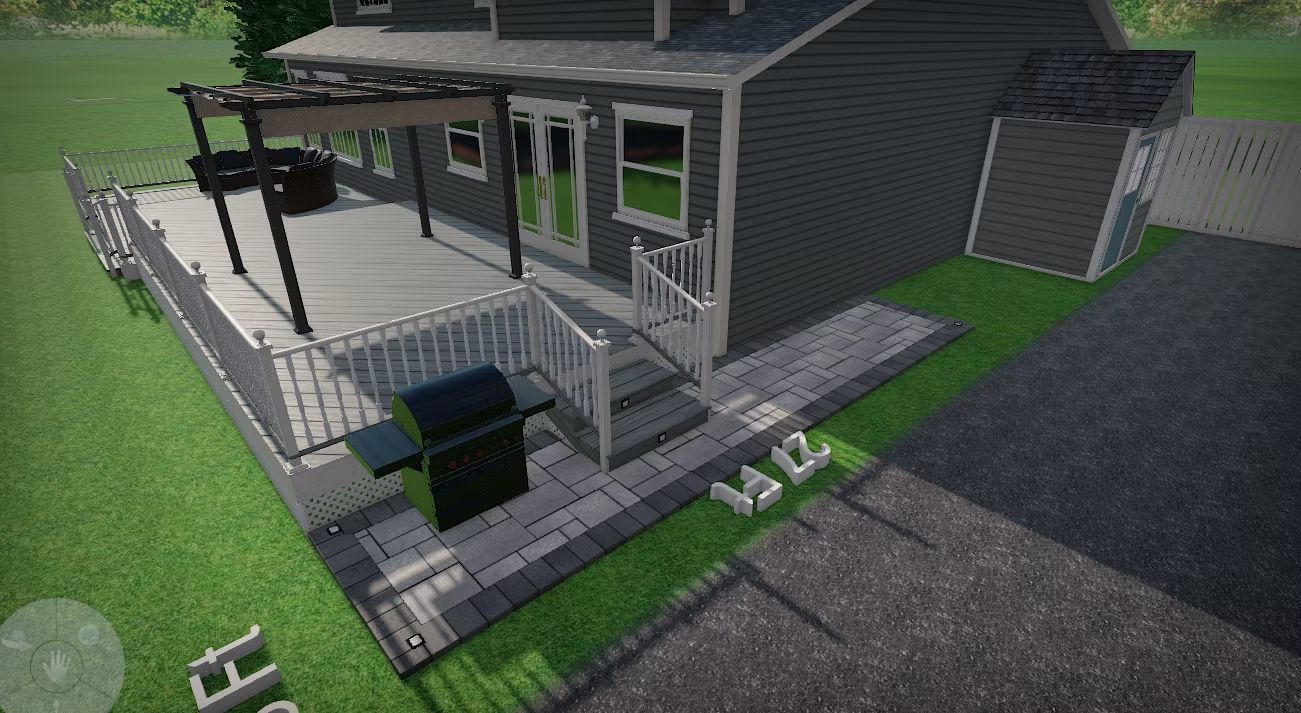
Most hardscape and planting failures happen because layouts ignore drainage flow, fail to account for mature plant sizes, or create maintenance burdens that weren't obvious on paper but become clear once the work is finished and water pools where patios meet lawn areas. Custom landscape designs from AXC Landscaping Services include 3D renderings that show how proposed features fit your property's existing grade, sun exposure, and drainage patterns in Annapolis before any excavation starts. You see material options in context, evaluate how plant selections will look at maturity, and adjust layouts to avoid the regrets that come from discovering a firepit is positioned where prevailing winds blow smoke toward seating areas or a retaining wall blocks sight lines you didn't realize mattered.
Design services start with site evaluation to measure grade changes, identify existing utilities that limit placement options, and note sun and shade patterns that affect plant selection throughout the day. Custom layouts show where hardscape features integrate with planting beds, how outdoor living spaces connect to home access points, and where low-maintenance zones reduce ongoing care requirements. Plant and material selection considers growth rates, seasonal interest, water needs, and compatibility with Maryland clay soils and Chesapeake Bay region humidity. Budget-friendly options allow you to prioritize certain features for immediate installation while phasing other elements into future seasons without losing design cohesion.
Request a full project consultation to review your property's opportunities and constraints before committing to specific landscape features or material choices.
How 3D Planning Reveals Design Problems Early
Three-dimensional renderings show spatial relationships that overhead plans can't convey, including how a retaining wall height affects sight lines from windows, whether proposed patio dimensions provide adequate furniture space, and how tree canopies will shade seating areas once they mature beyond the small nursery specimens planted initially. Design layouts identify conflicts before construction, such as walkway routes that create awkward traffic patterns or planting beds positioned where they'll require constant trimming to maintain clearances. Material visualization shows how paver colors and textures appear in your property's specific light conditions rather than under showroom lighting that makes everything look better than it will on-site.
After design is complete, you have a clear installation roadmap that prevents change orders caused by discovering problems mid-project when correcting them costs more than planning correctly from the start. Your outdoor living space functions as intended rather than requiring modifications once you realize the layout doesn't accommodate how you actually use the area. Plant selections thrive in their assigned locations because sun exposure, drainage, and spacing were calculated for mature sizes rather than current nursery dimensions. Hardscape features align with drainage flow instead of creating new problems where water collects against foundations or floods low-lying lawn areas during heavy rain common to the region.
Your design might include multiple layout options to compare different approaches, such as curved versus linear walkways, formal versus naturalistic planting arrangements, or various material combinations within the same budget range. Designs accommodate phased installation when full project budgets aren't available immediately, ensuring that first-phase work doesn't limit or complicate future additions. Consultation services explain which features deliver the most impact for available budget and which elements can be deferred without compromising overall design integrity or requiring rework later.
Planning Questions Before Design Begins
Homeowners considering landscape projects want to understand what design services include and how planning affects final installation quality and cost.
What information is needed before custom landscape design can begin?
Accurate property measurements, knowledge of existing utility locations, photos showing current conditions, and your priorities for how outdoor space should function all inform initial design development.
How do 3D renderings differ from traditional overhead landscape plans?
Three-dimensional views show vertical relationships and spatial proportions that overhead plans can't convey, revealing how hardscape heights, plant mature sizes, and structure placements will actually appear from ground level.
When should plant selection consider mature sizes rather than nursery dimensions?
Spacing based on mature spread prevents overcrowding that creates maintenance problems within three to five years, eliminating the need for removal and replacement once plants outgrow their allocated space.
What makes certain landscape features more budget-friendly than others?
Material costs vary significantly by type, with natural stone commanding higher prices than concrete pavers, while labor intensity differs between simple layouts and complex patterns requiring extensive cutting and fitting.
How does proper design prevent drainage problems after installation?
Layouts that follow existing grade contours and direct water away from structures avoid creating low spots where water accumulates, while hardscape installations include base preparation that sheds water rather than trapping it beneath pavers.
AXC Landscaping Services develops design solutions tailored to your property's specific conditions and your preferences for outdoor space functionality and appearance. Schedule a landscape consultation to begin planning features that address current limitations and create outdoor areas suited to how you use your property.