
Grass That Stays Healthy All Season
Lawn Maintenance Services in Annapolis for properties showing uneven growth, thinning turf, or weed invasion
Turf health in the Chesapeake Bay region depends on consistent mowing height, properly timed fertilization, and early weed pressure control before broadleaf species establish deep root systems. AXC Landscaping Services handles lawn maintenance in Annapolis with weekly and bi-weekly service schedules that adjust blade height seasonally and monitor for signs of grub damage or fungal stress. Your lawn receives the same crew each visit, which means someone notices when irrigation patterns need adjustment or when certain areas begin thinning before the problem spreads.
Routine care includes grass cutting with sharp blades that slice rather than tear leaf tissue, edging along walkways and bed lines to prevent grass creep into mulched areas, and trimming around obstacles where mowers can't reach. Fertilizing programs follow a four-application schedule timed to soil temperature rather than calendar dates, while weed control treatments target pre-emergent crabgrass prevention in early spring and post-emergent broadleaf control once dandelions and clover appear. Core aeration pulls plugs from compacted soil each fall, creating channels for oxygen and water to reach root zones that have been compressed by foot traffic or clay content.
Schedule a lawn health inspection to establish a maintenance plan based on current turf density and soil conditions.
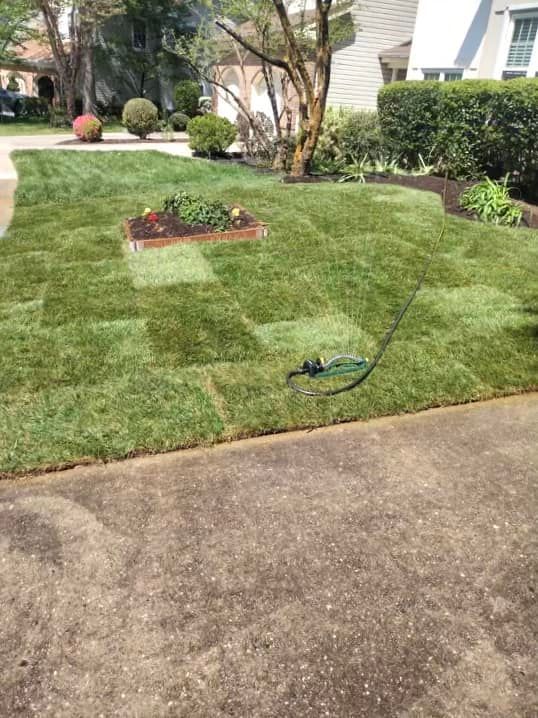
What Routine Maintenance Prevents Over Time
Lawn maintenance follows a cycle that builds thicker turf each season when mowing frequency matches growth rate and clippings are short enough to decompose into the canopy rather than smother new shoots. Fertilizer applications supply nitrogen in slow-release form to avoid rapid vertical growth that weakens stems, while weed control eliminates competition for water and nutrients before invasive species spread laterally through underground runners. Seasonal inspections identify brown patch fungus, chinch bug activity, or poor drainage before damage becomes visible from the street.
After several months of consistent service, you'll notice grass that recovers quickly from summer heat stress, fewer bare patches where weeds previously dominated, and uniform color across the lawn rather than light and dark stripes caused by uneven fertilizer distribution. Edges stay defined without manual trimming, and walkways remain clear of grass encroachment that creates tripping hazards or hides pavement cracks. Aeration holes close within two weeks as new root growth fills the channels, leaving soil that absorbs rainfall instead of shedding it toward foundation walls.
Your maintenance plan can include trimming around fence lines, blowing clippings off hardscapes after each cut, and adjusting service frequency during spring growth surges when grass adds two inches of height within five days. Some properties need bi-weekly service during cooler months when growth slows, while others require weekly visits year-round to manage high-visibility front lawns or turf used for outdoor activities. The program adapts to what your property shows rather than following a fixed schedule that ignores actual growing conditions.
Questions About Ongoing Lawn Care
Property owners in Annapolis often ask how services adjust to seasonal conditions and what maintenance actually includes beyond mowing.
What does core aeration accomplish that regular mowing does not?
Aeration removes soil plugs to relieve compaction caused by clay content and foot traffic, allowing roots to grow deeper and water to penetrate rather than run off toward low spots.
How often should fertilizer applications occur for healthy turf?
Most lawns benefit from four treatments annually, applied when soil temperatures reach specific thresholds rather than on fixed calendar dates, with higher nitrogen ratios in spring and balanced formulas in fall.
When should weed control treatments begin each year?
Pre-emergent applications work best before soil reaches 55 degrees in early spring, targeting crabgrass seeds before they germinate, while post-emergent treatments address visible broadleaf weeds once they develop three or more leaves.
What factors determine whether weekly or bi-weekly service makes sense?
Growth rate drives frequency, with cool-season grasses requiring weekly cuts during April and May when they add significant height between visits, then slowing to bi-weekly intervals during summer dormancy.
How does edging prevent long-term landscape problems?
Regular edging stops grass from spreading into mulch beds where it competes with shrubs for water and creates maintenance issues, while keeping walkway borders clearly defined reduces trip hazards and improves curb appeal.
AXC Landscaping Services develops maintenance schedules based on your property's turf density, exposure, and use patterns. Request a property assessment to identify which services will address current lawn conditions and prevent seasonal stress.