
Outdoor Surfaces Built to Last Decades
Hardscaping Installation in Annapolis for properties needing functional outdoor spaces that handle weather exposure and heavy use
Paver patios crack and sink when base material isn't compacted in three-inch lifts or when edge restraints fail to contain lateral movement during freeze-thaw cycles common near the Chesapeake Bay. You need hardscaping that accounts for Maryland's clay soils, which expand when saturated and shift pavers out of alignment unless the base includes proper drainage aggregate. AXC Landscaping Services installs custom paver patios, retaining walls, walkways, and outdoor firepits in Annapolis with excavation depths and base preparation that prevent the settling problems visible on older installations throughout the area.
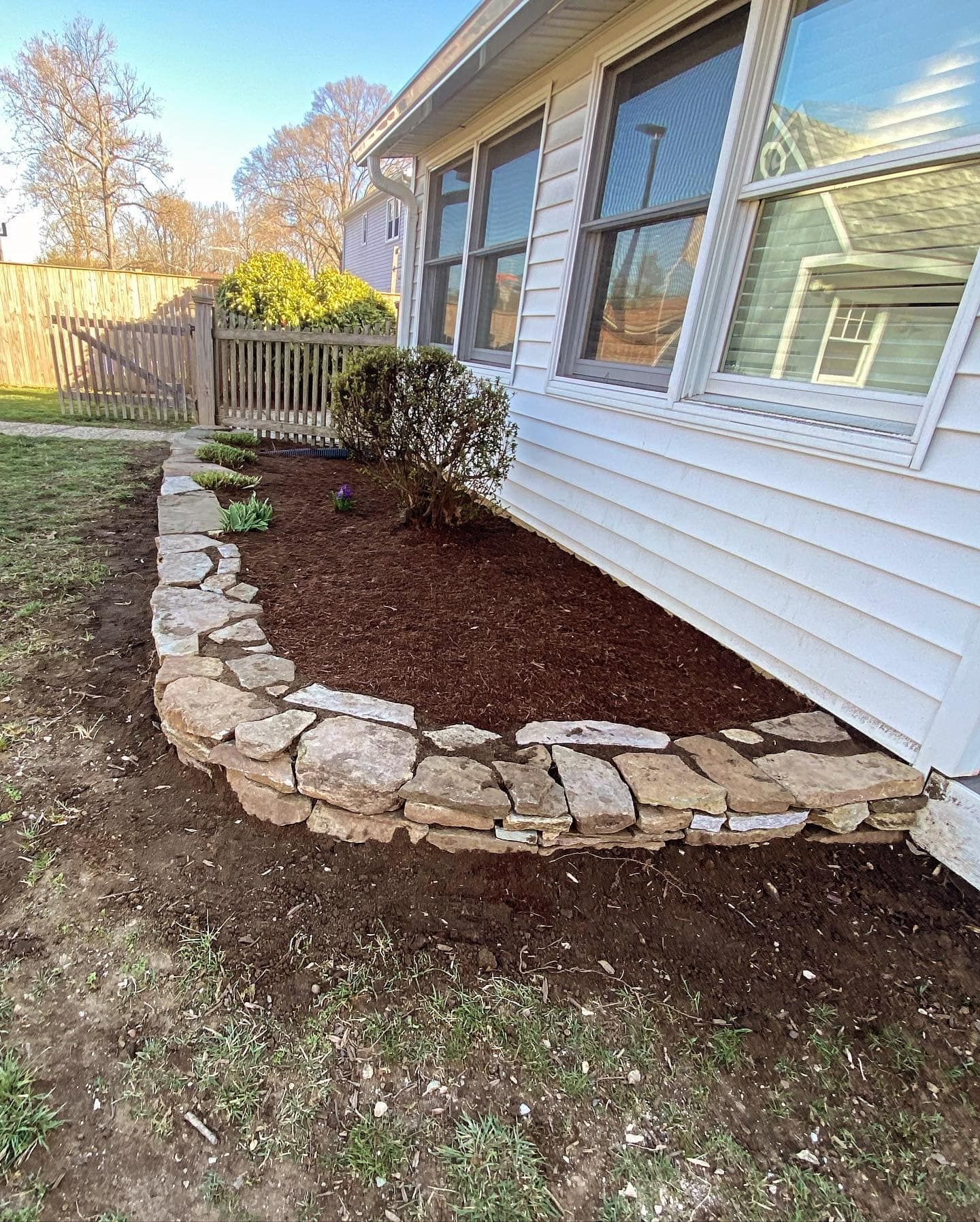
Installation starts with excavation to remove organic soil that decomposes and creates voids, followed by a compacted stone base that sheds water away from the paver surface and maintains stability under load. Paver selection includes options for tumbled edges that hide minor lippage between units, while retaining wall construction uses geogrid reinforcement when holding back slopes taller than three feet. Decorative river rock beds provide low-maintenance ground cover around firepits and along walkways where mulch would wash away during heavy rain. Each hardscape feature includes edge restraint systems that lock pavers in place and prevent creep toward lower elevations.
Arrange an on-site consultation to review outdoor space layouts and identify which hardscape features suit your property's grade and drainage patterns.
How Proper Installation Stops Future Movement
Hardscaping relies on subsurface stability that most homeowners never see once pavers are placed. Base material must be compacted to 95% density using a plate compactor that makes multiple passes in different directions, creating a surface that doesn't deflect under weight or shift when water flows through the aggregate. Retaining walls need crushed stone backfill rather than clay soil, which retains water and generates lateral pressure that pushes blocks out of alignment. Walkway borders require edge restraint spiked into undisturbed soil every 12 inches to contain the paver field and resist frost heave.
Once construction is complete, your patio stays level without developing the low spots and raised edges that collect water and create tripping hazards. Walkways remain aligned with straight joints between pavers rather than gradually widening as edge units migrate outward. Retaining walls hold their position through winter freeze cycles without developing the forward lean that signals base failure. River rock beds stay in place around firepit perimeters instead of washing into lawn areas during storms. Polymeric sand between paver joints resists ant colonization and weed germination while remaining flexible enough to accommodate minor seasonal movement.
Your project might include lighting integration along walkway edges, seating walls built into patio perimeters, or step construction where grade changes exceed comfortable walking slope. Material choices affect long-term appearance, with tumbled pavers hiding wear better than smooth-surface units and certain stone types resisting salt damage if the hardscape is near driveways treated during winter. Design layouts can maximize usable space on small lots or create distinct outdoor rooms on larger properties with multiple hardscape zones connected by pathways.
Common Hardscaping Questions
Homeowners planning outdoor projects often ask about material longevity, drainage requirements, and what affects installation timelines.
What causes paver patios to develop uneven surfaces over time?
Inadequate base compaction or insufficient excavation depth allows soil beneath the aggregate to compress under load, creating low spots where pavers sink and water accumulates.
How do retaining walls resist soil pressure without leaning forward?
Proper walls include crushed stone backfill that drains freely, geogrid reinforcement extending into the retained soil mass, and a base trench below frost depth that prevents seasonal heaving.
When should polymeric sand be applied between paver joints?
Sand installation occurs after pavers are fully compacted and locked in place, typically requiring dry weather for 24 hours after application so the polymer activates without washing out.
What determines whether a firepit needs a gravel base or paver foundation?
Fire codes and manufacturer specifications dictate clearances and base requirements, with most installations benefiting from non-combustible aggregate that allows drainage and prevents heat transfer to underlying soil.
How does Annapolis soil affect hardscape stability?
Local clay soils retain moisture and expand during wet periods, making proper excavation depth and aggregate base thickness critical for preventing seasonal movement and maintaining level surfaces.
AXC Landscaping Services creates 3D renderings that show how proposed hardscape features fit your property's existing grade and drainage flow. Request a design consultation to see material options and layout configurations suited to your outdoor space.